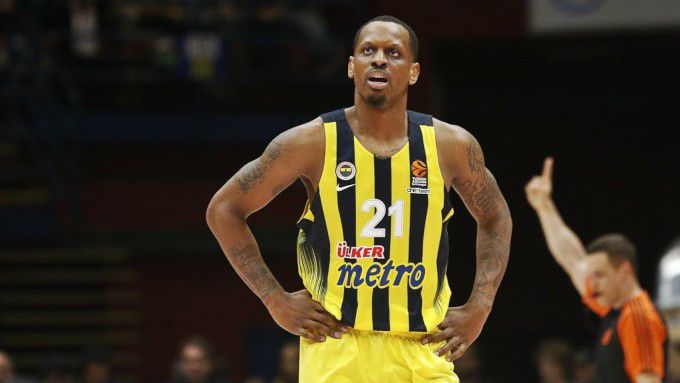
The dedication, cool-headed clutch shots, and character of James Nunnally are permanently etched into the golden pages of Fenerbahçe basketball history most notably during the legendary 2017 EuroLeague championship triumph in Istanbul and the back-to-back domestic league titles. Having established a very special place in the hearts of the yellow-navy blue faithful during every stint he wore the jersey, Nunnally made exclusive statements to Salon Tribünü Editor-in-Chief Erdi Tiran as part of our “Fenerbahçe Men’s Basketball History” series.
Nunnally shared every milestone of his career with ultimate sincerity, from his childhood days and the spark that ignited his basketball journey, to becoming the MVP in Italy, and the unforgettable championship years under the legendary coach Željko Obradović. He detailed Obradović’s relentless impact on the team, the magical atmosphere of the Ülker Arena, Zeljko’s ability to instill an insatiable hunger for the game, and the chaotic play-off series against Real Madrid during his time with Partizan.
Without further ado, we leave you with this unforgettable interview full of rich memories.
You were born on June 14, 1990, in San Jose, California. Could you tell us a bit about your childhood and how your basketball journey first began? What was the spark that drew you to the court in those early days?
Yep. I was born in San Jose, California. Most of my family is from the Bay Area and the San Jose area. Growing up in the Bay was great. It was a really diverse culture with different ethnicities and people, so my daily life and school years were pretty regular. I started playing basketball just by following my brother. Whatever my older brother wanted to do, that was pretty much what I wanted to do as well. So when he started playing basketball, I did basketball. When he was doing track, I was doing track. I was so close to my brother, and he is four years older than me.
When I was in the third or fourth grade, they actually put me on the basketball team, which was a seventh and eighth-grade team. They put me on one of those teams just so I could be close to my brother. It was crazy; I was the youngest person on the team. Of course, since I was only in the third grade and the team was full of seventh and eighth graders, I think that was my ultimate spark for basketball. I just always loved different sports.
But we moved to Stockton when I was in the fifth grade. So, I spent most of my childhood and young adulthood in Stockton, growing up there. It is a pretty different place with a much different climate weather-wise. In the summer, it gets crazy hot. It is very close to Sacramento a small city, but one with some major athletes. So, I think sports were pretty much the only way to survive there. Like, you just had to play sports. I played American football as well and I was decent at it, but I had to choose between football and basketball in high school, and I chose basketball.
Dear James, before moving on to your unforgettable time at Fenerbahçe, I would love to touch upon how your career was shaped back then. After the 2012 NBA Draft, your journey took you to the Sacramento Kings for the Summer League, followed by Kavala in Greece, and then the Bakersfield Jam in the NBA D-League. You had a very active path where you pushed your limits on the NBA stage with 10-day contracts with the Atlanta Hawks and Philadelphia 76ers, and then experienced very different basketball cultures in Puerto Rico, Estudiantes, and Israel (Maccabi Ashdod). Ultimately, your magnificent performance with Sidigas Avellino in Italy during the 2015/16 season averaging 18.4 points, 4.3 rebounds, and 2.1 assists earned you the league MVP and put you on the radar of all the European giants. Looking back, how do you evaluate that intense and formative period of your career?
I’d say early on in my career, the things that shaped me were the setbacks, being patient, waiting my turn, learning how to be a professional, and constantly working on my game. During the time when I wasn’t playing, I didn’t get drafted, so I was already starting from behind. Then I went to the Summer League with the Sacramento Kings and didn’t really play; I didn’t really get a fair shot. So, I decided against my agent’s will to go and sign with a team in Kavala, Greece. He was really upset with me, but I just wanted to play and get paid. However, I was only there for a short time. I don’t really count my time there because it wasn’t a professional atmosphere at all; it was kind of like a junior team. But I had no idea back then. I just knew I was going to play pro, wanted to go overseas, and try my luck.
Around two and a half months into that, I left because of unpaid payments. A week later, I got drafted into the G League by the Bakersfield Jam. I think that is where I really learned how to work and be a true pro. I had great guys around me and a great staff to help me learn what it truly means to be a professional, how to take care of your body, get your daily work in, and just be really locked in.
I spent a year there in the G League. My first year went very well. Our team broke a record; we held the record for the best standing ever in the G League at that point. We made it to the playoffs, and we had guys constantly getting called up to the NBA. I was around really phenomenal players and a staff who constantly pushed us. After that year, I got invited to the G League Elite Combine. My name was firmly on the radar of different NBA teams, and I was really close. So, after attending training camp with the Phoenix Suns, where I was the last cut and didn’t make the final roster, I decided to come back for a second year with the Bakersfield Jam.
A month into that season, I got called up. That is how my journey in the NBA officially started, and it just kept going upwards. After getting a few 10-day contracts with the Hawks and then finishing the season with the Sixers, it was a great experience for me. I got a taste of what the NBA was like, and I desperately wanted to have a permanent spot there. That summer, I was working like a madman. I didn’t have a guaranteed deal and wasn’t under contract with anybody, so I decided to go to Puerto Rico for a month. That league has gotten much better now, but even then, it was really good and a lot of quality guys played there. I went there, made a decent salary for the month, and it was a cool experience. I was young and I wanted to get paid, so I went there and played.
After Puerto Rico, I went to Estudiantes. I played a few games there and did all right, but I felt like I wasn’t being used correctly at that young of an age, playing only like 20 minutes a game. I was like, “Oh, no. I need to be somewhere where I am playing.” I knew the ACB was a great league, but since we only had one game a week, I wanted to play much more. So, I decided to leave and went to Maccabi Ashdod, where I met a coach named Zvika Sherf. He was just great for me. He helped me immensely by having complete confidence in me and just letting me play, and the rest took care of itself. I helped the team go from last place to almost making the playoffs, finishing just two games out. That was a wonderful experience for me that deeply boosted my confidence.
From there, I went to Avellino. It was a bit of a shaky start in the preseason because I was coming off a broken thumb injury that I suffered during the Summer League with the Indiana Pacers. Around that time, I had fired an agent, but then I went back to my current agent, Bill Neff, who has been absolutely great and acts as a true mentor to me as well as an agent. He told me to just stick with the Avellino situation. I was surrounded by a great group of guys there too, like Marty Leunen and Marques Green. We had a really good team. We brought that franchise back from a 13th-place finish the previous year to finishing third the year we were there. So, I think that was a massive success. In Europe, when you win and your team does well, good things happen. I was blessed to receive the MVP of Italy that year. After that, a lot of teams in Europe started reaching out and had me on their radar. One of those teams was Fenerbahçe. At the time, I had no idea what “Fener” was or what it truly meant, but I was soon to find out.
You joined Fenerbahçe at the beginning of the 2016/17 season. In this historic season, we first won the Euroleague trophy and then became the Turkish League champions. Were there any unforgettable moments for you personally during the process leading up to the EuroLeague championship? If so, could you share them with us?
Joining Fener was just another level. As soon as I arrived in Istanbul, I noticed the professionalism right away how the organization was run, it was just like the NBA. They were completely on top of it. You didn’t even need to ask for things; they already knew what players needed. It was incredible. I was joining a great team that had just lost in the championship game the previous year, and I was one of only two pieces added to the squad that summer. The level of preciseness you needed to have to join a team like that meant you just had to learn how to adapt quick. I had to adapt fast to what they wanted me to do, what the coach wanted, and what my teammates needed from me.
My teammates really helped me adapt. Again, it was a spectacular group of guys fantastic, all of them. Every single one of my teammates in Fener that year was great in helping me. The coaching staff was also amazing, and the people around the club who don’t always get the credit were fantastic as well. I think the memories leading up to the championship were just about the bonding, the team dinners we had, and things like that. The training camps where we were just going hard, competing, and then going out together afterward… those are core memories. There are so many funny stories and funny things that happened.
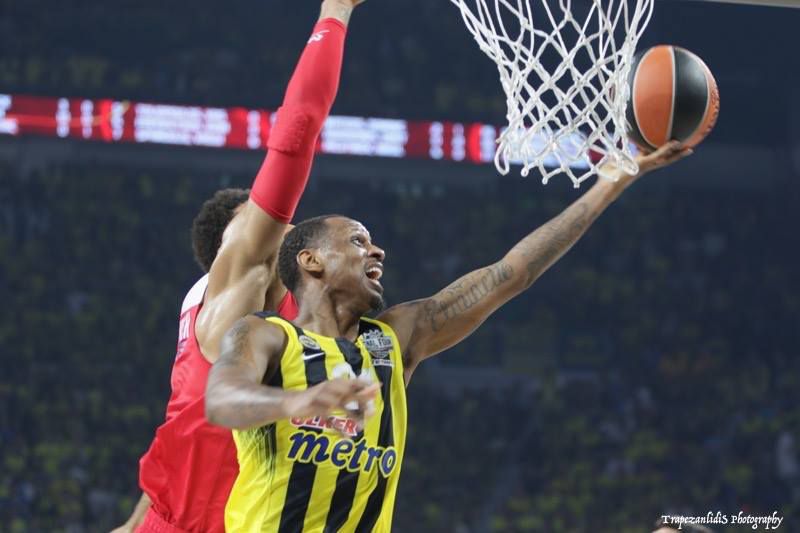
One of the most critical stages on the road to that Euroleague championship was the Panathinaikos play-off series. Do you have a special memory from before that series, and what was the atmosphere like during those first two games in Greece?
To talk about the atmosphere during those first two games in Greece when we played Panathinaikos, it was crazy. We came in as the underdogs, and they were the favorites. They were in third place and we were in sixth place. In those games, they went up by 10 to 15 points, I believe, and I think their fans thought it was completely over. But then again, we had guys full of character on that team, and we made it happen. Sharing from my own perspective, I don’t think I played in those first two games. I think Obradović wanted to go with the guys who had been there before, and that was his decision and he made the right decision. But in Game 3, I got to play and helped a little bit, so it was fun. Those first two games, though, the atmosphere, and the celebration we did after the second game were just great.
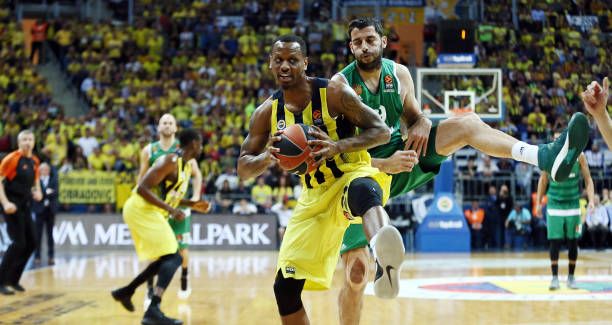
In that 2016/17 season, what was the arena environment and the energy in the stands like during the Real Madrid and Olympiacos matches in the Final Four held in Istanbul? How did it feel to become a Euroleague champion under the Fenerbahçe jersey that day?
Playing against Real Madrid and Olympiacos in the semifinals and the final of the Final Four in Istanbul was amazing. The energy in the building and the arena was packed to the brim with Fener fans, as it should be. It felt exactly like home games, and that just gave us more energy to go out there and play harder. The adrenaline was at such a level that it felt like you were floating. We were blessed, and we won the championship. The celebration after that championship was incredible. It felt great to represent the Fener jersey. The fans really showed us love.
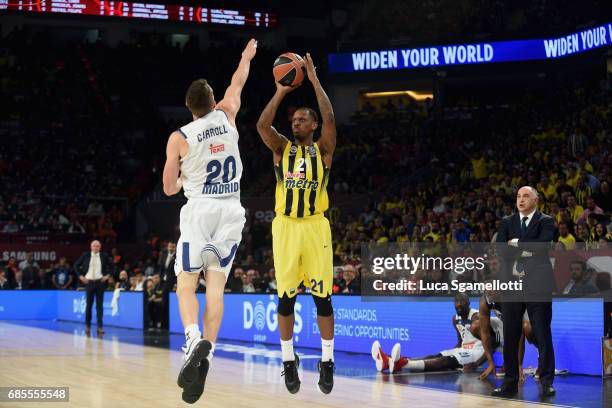
In the 2017/18 season, we faced Baskonia in the EuroLeague play-offs and won the series 3-1. What are your most unforgettable memories regarding that particular series?
It was a good series against Baskonia. The first two home games we won comfortably for the most part. Game 3 we lost, and then we won Game 4 in Vitoria. There was nothing specifically unforgettable; we just wanted to beat them to get back to the Final Four.
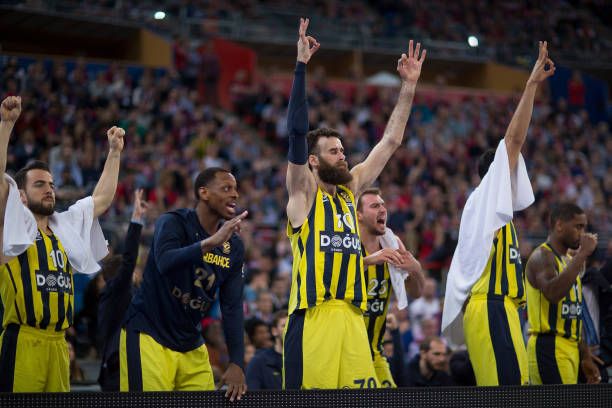
We unfortunately lost 85-80 to Real Madrid in the final at the Final Four played in Belgrade. In your opinion, what went wrong in that match? Also, what would you like to say about the back-to-back domestic league championship we won that season?
The loss against Real Madrid was different. I think there was a lot of pressure on the guys once we got there to repeat as champions. Some guys had never been to that stage before, and we had a few new pieces on our team, though they were still great, great players. I don’t know, I think we just didn’t play our game. Real Madrid was more relaxed, and it showed on the court. We were just kind of tense the whole game and didn’t get a chance to play our style. I think that was one of the primary causes for our loss. But we rebounded and won the domestic league championship. I think the Euroleague loss gave the guys more motivation because we felt like we had left something on the table. Winning the domestic league championship was a great thing, too. You have to remain humble about winning domestic championships because you won’t always win them. I’m glad we did it with that specific group.
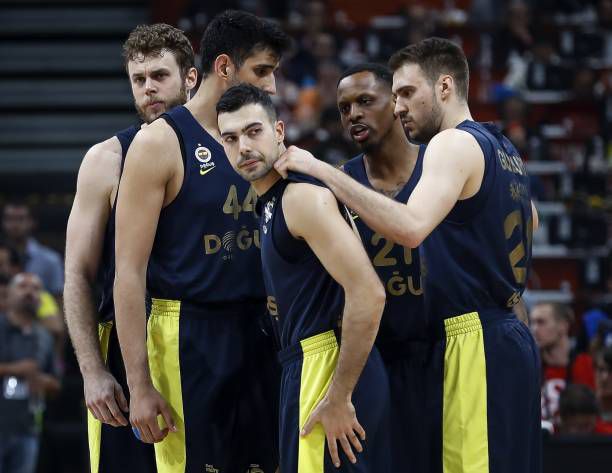
You left Fenerbahçe in the summer of 2018. First of all, what was the process that led to this separation? After leaving, you played for the Minnesota Timberwolves, Houston Rockets, Olimpia Milano, and Shanghai Sharks. How did your career progress in these teams between the summer of 2018 and January 2020, and what did these diverse experiences contribute to you as a player?
Yeah, I left Fener because I had NBA interest, and that was somewhere I always wanted to be. I felt like I was good enough, and had I gotten a real chance, I felt like I would have played there for a much longer period of time. But you live and you learn. I went to the Timberwolves, and then to the Rockets for a short stint. After the NBA, I wanted to come back to Europe. So somehow I ended up in Milano. They had a good team, it was just a bit dysfunctional at that time; I’ve heard it is much better now. After the season in Milan, I got an offer from the Shanghai Sharks. I was like, “Hey, I’ll go to China and test the waters.” I’m not afraid to travel and go play basketball. I love the game. They offered a good contract, and that was something I felt like I wanted to do, so I did it.
2019/20 season, you returned to Fenerbahçe in January. It was a tough season for the team overall, but we still managed to bring the Turkish Cup to our museum. In your opinion, what went wrong in the EuroLeague for the team that season?
Yeah, after leaving China, I decided to come back to Fener. But it was a different team, a different squad, and kind of a weird time when I got there. I think there were some differences between people and the staff. I don’t know exactly what was going on behind the scenes, but it was kind of weird coming back into an environment with a lot of tension, which was different from when I was previously there. It felt kind of weird, but I was happy to be there again and to be around familiar faces. We did win the Turkish Cup in Ankara, which was great. It was a wonderful experience. Winning is always an amazing feat and something that you’re proud of. That season was weird in general because it was ultimately shut down by COVID, so you never really know what could have happened whether it could have been turned around or not. But hey, you never know.
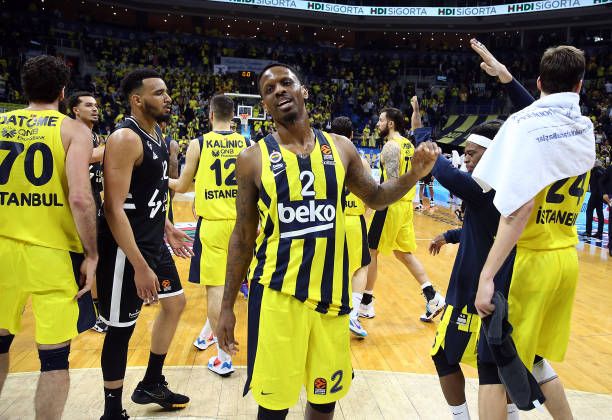
At the end of the 2019/20 season, you left Fenerbahçe and went on to play for the New Orleans Pelicans, Maccabi Tel Aviv, and Partizan. Especially regarding your time at Partizan, the play-off series you played against Real Madrid instantly comes to mind. It was a highly intense, chaotic series, and you unfortunately lost 3-2 after being up 2-0. What would you like to say about that unforgettable series?
Yeah man, I believe that play-off series with Partizan against Real Madrid is something everyone asks me about all the time. It was like an emotional roller coaster. We were up, and then the chaos happened during the game. We found ourselves without two of our best players due to suspensions; one was out for one game and the other had two games. That dynamic kind of helped Real Madrid because their roster depth was different. They had actual starters coming off the bench. We had two starters gone, and they were still a massive part of our team. Even so, we managed to make the games competitive, but we just didn’t execute at the end of Game 3. I think we could have won in Game 3, but we allowed them to come back and make it a series. That gave them confidence, and they won. But that Partizan team… wow. Special group, special players.
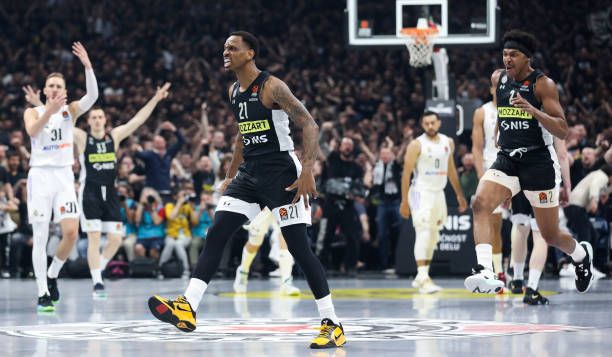
Now, we see you wearing the AEK jersey. How is your journey with AEK going so far? What are your personal expectations for both your career and the team this season?
Yeah, I decided to come to AEK. I spoke with Coach Sakota and he had big plans for this team to do really well. He thought I’d be a key piece for this team to help them achieve the goals that they really wanted to reach. That is exactly what I expect from myself as well. Anywhere I go, I just want to be a piece to help the team win, and I think I have been that for this team.
Returning to your Fenerbahçe years… You shared the court with many legendary names in Istanbul. Who was the teammate you enjoyed playing with the most?
I think me and Bobby Dixon had a special bond. There were many great players there, but we were just very close off the court as well. We hung out a lot. He’s older than me and he was always a positive voice in my ear especially during the Fener days where things could get rough mentally. He just always was a positive voice in my ear.
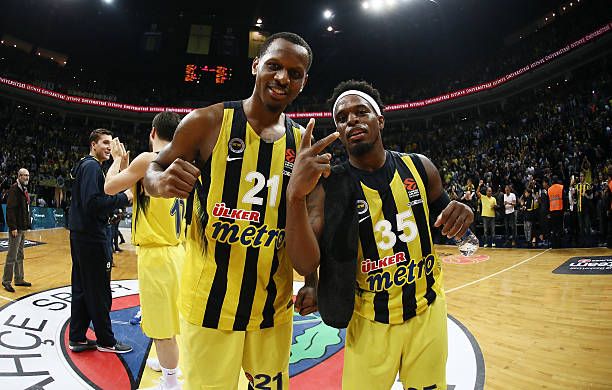
Could you tell us about Željko Obradović? Beyond being a legendary coach, what kind of impact did he have on your life and your overall understanding of the game?
Obradović made sure that all of his players kept a certain hunger for the game of basketball, and you had to be extremely focused during every single practice and game.
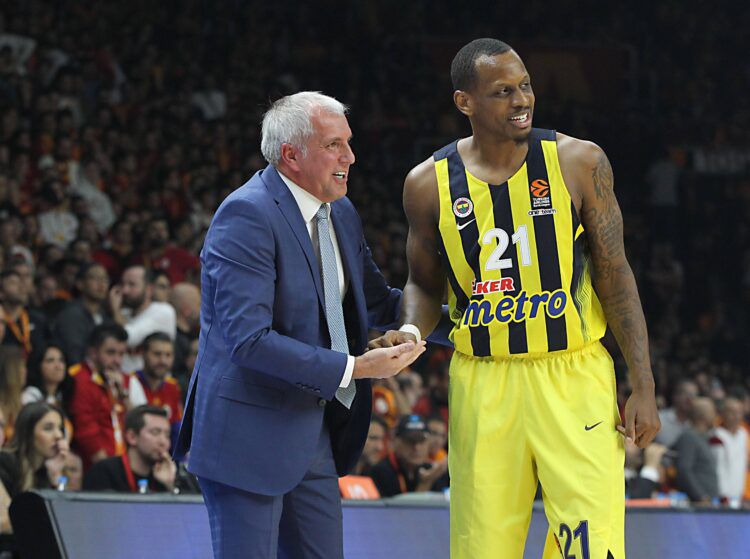
What does Fenerbahçe basketball truly mean to you personally? In your eyes, what are the unique characteristics that distinguish this club from all other teams in the world?
Fener is really like the Lakers of Europe, man. It’s a special passion that the fans have, and just everybody involved. Some people’s days are literally not right if Fener loses; that’s how passionate they are about the team. There are fans all over Europe and the United States. I’ve met fans everywhere I’ve been. I’ve met Fener fans who recognize me, and it’s just amazing to see. They really are a truly special team in my eyes.
What did the time you spent in the NBA add to your character and skillset? What do you think are the most fundamental differences between the NBA and European basketball styles?
My time in the NBA helped me learn patience and just to control what you can control. You can’t control what’s going to happen, your playing time, or any of that. You just have to try to see the light in everything that you’re doing, feel blessed, and be happy that you play a game for a living. This game has brought you around the world and has introduced you to many aspects of life that you probably would not have seen if it were not for the game of basketball. So, I try to keep that in mind. I learned a lot during my NBA stints regarding my skillset too. I was working with the best players and some of the best coaches, and I just got a chance to learn from everybody. I was like a sponge.
As for the differences, I believe that in Europe, every single game is life or death. I think the NBA is more about analytics, percentages, and focuses more on chunks of every 5 to 10 games rather than being strictly game-by-game like it is in Europe.
If James Nunnally were his own coach today, what would he tell the young James to add to his game or change? What kind of player would “Coach James” want to see on the court?
If I was the coach and I could tell my younger self something to work on, I don’t know, I would probably try to be a point guard. If I was a coach and could tell my younger self, I’d say, “Hey, move to be a point guard.” I think I like to control the ball and have the ball in my hands to make plays. I think I see the game well, so I don’t know, maybe that’s what I would have done.
What was the single most unforgettable match you played in during your time at our club, and what was the most interesting or funny event you experienced off the court in Istanbul?
I’d say the single most unforgettable match was the Final Four. You know, I say the championship game. Not many people get to play in a championship game very often, so it’s a true blessing to be there.
You also became an opponent of Fenerbahçe later on and returned to the Ülker Arena with different team jerseys. What were your emotions during those matches? How did it feel to step onto that court in a different jersey and receive that incredible, warm welcome from the fans who once cheered for you?
I have to say that coming back as an opponent of Fener felt weird at first every single time, it felt weird. But once the game starts, you get going and you realize, “This is my job and it’s time to compete.” No matter how much love you have for the club or the fans, you have to compete. But it was a great feeling to receive such a warm welcome from those fans. They’re still all great, and they are still writing to me to this very day.
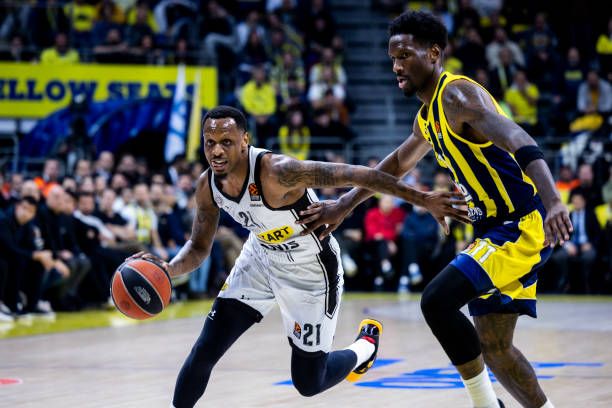
Aside from Istanbul, which was your absolute favorite away atmosphere to play in across Europe?
The favorite away atmospheres are kind of difficult to say because I played for teams with great fan bases at home. I don’t think any other away atmosphere could truly match what I was used to and got spoiled with at home.
How would you describe the Fenerbahçe fans and the atmosphere in the stands from your own perspective? How did it feel to have that incredible crowd always having your back?
Describing the Fenerbahçe fans… they were just so passionate about the game, and you could see it directly in their faces and their reactions. When the game was tied and somebody makes a big shot, or someone gets a block, or dies on the floor, hustles… they feel that, and they absolutely love that. From my perspective, that’s what I’ve seen. Having a crowd like that have your back, you just wanted to make everything happen on the court for them.
How do you evaluate Fenerbahçe Beko’s EuroLeague journey this season and their general performance so far? As a former athlete of the club, how do you view the team’s current energy?
I have not really watched Fener that much to evaluate them closely this year, but I know that they have some good players and they are the champions. So, until they get knocked off, they’re still the champions, and hopefully they can win it again.
And finally, what is your special message to the devoted Fenerbahçe fans who will be reading/listening to this interview?
To the Fenerbahçe fans, keep being great. I loved my time there. A lot of you made it so incredibly special for me and my family with your well-wishes all the time while I was playing there, while I was on a different team, and even up until now. I still get messages and I’m deeply thankful. So much love to you all. This Friday, Fener and Olympiacos play again.

