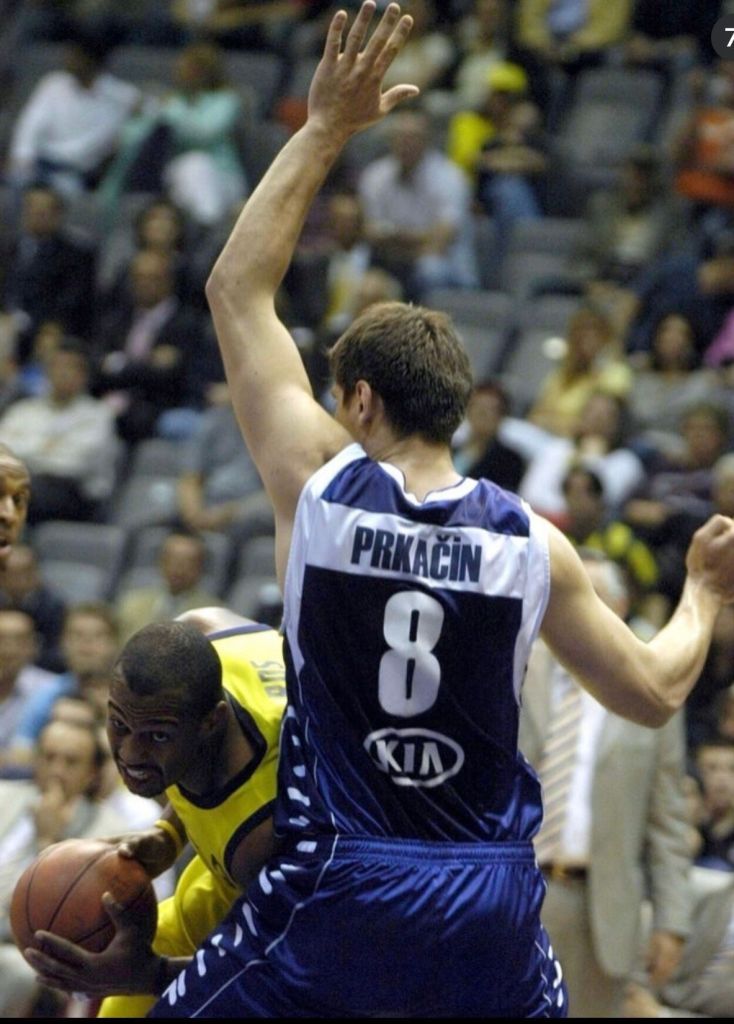
Corsley Edwards, who wore the yellow-navy jersey during the 2004/05 season and earned a special place in the memories of Fenerbahçe fans with his toughness under the rim and warrior spirit despite his short time on the court, sincerely answered Erdi Tiran’s questions. Edwards left us a wonderful archive that flows like water, covering everything from his childhood days in Baltimore to his stop sign anecdote in Istanbul, from his days at Banvit to his love for the yellow-navy fans.
You were born on March 5, 1979, in Baltimore, Maryland. Could you tell us a bit about your childhood and how your basketball journey first began? What was the initial spark that drew you to the court?
The most important thing I can say about my childhood is that I came from a family where my mother was a teacher and my father was a paint distributor. I started playing basketball because my father used to play every Sunday. Every Sunday, I would get out of bed and watch my dad play in the “Old Timers League.” While he was playing, I would see some NBA scouts coming to watch the players, and that gave me incredible inspiration because playing in the NBA was one of my father’s biggest dreams. That was exactly what I wanted to do as well. That was the thing that drew me to the court and gave me that first spark. Eventually, I started playing basketball in the fourth grade.
As a standout player for Central Connecticut State, you were selected by the Sacramento Kings as the final pick (58th overall) in the 2002 NBA Draft. How do you remember that draft night? Did being selected last create an extra edge or a motivation to prove yourself?
The most beautiful thing I remember about that draft night is that my whole family and friends were by my side, including my grandmother, my aunts, my cousins, my mother, my father, and even my friend Sean, who is now a comedian. I definitely had a chip on my shoulder because I knew very well that I belonged in that league. Having attended the NBA Pre-Draft Camp (Combine) as just an ordinary player, I suddenly reached a point where people were asking me where I came from, what I did, asking questions very similar to the ones here, and I literally blew up at that camp. I stood tall on the court against the best players of that draft, like Carlos Boozer, and many other different names; in fact, I became one of the top three players of the entire camp. I came from a mid-major college, and upon invitations from general managers who called me, I went on private workouts with 19 different NBA teams. I went out on the court and showed my performance for these teams. It was such an intense pace that some days when I woke up in the morning, I didn’t even know where I was in the country. Playing against those players I had watched all year on ESPN and similar channels was the biggest thing that fueled my edge and my desire to prove myself.
Right before coming to Fenerbahçe, you had played 10 games with the New Orleans Hornets. After experiencing the NBA atmosphere, what influenced your decision to come to Europe and join Fenerbahçe in Istanbul?
Knowing the history and the greatness of Fenerbahçe was the biggest factor in this decision. Fenerbahçe is like the Lakers over here (in America). It’s one of those big teams that you know is both deeply loved and hated by its rivals, but always dominant, always moving forward, and always efficient. I wanted to go somewhere where I could sustain my basketball career seamlessly. I didn’t want to just stop and say, “Okay, I played in New Orleans, that’s enough.” I wanted to do something different and play for a club that I saw as one of the best European teams in Turkey. Besides, I had always wanted to visit the big countries and cities of Europe; so why wouldn’t I play for one of the best teams that I knew was there? Moreover, playing alongside names like Damir Mršić and being coached by Coach Aydın Örs were truly special things, man. I think this was a result of the inner guidance I received, the voices inside me saying, “Hey, give this a chance, be the best you can be, and who knows, maybe you’ll stay there for a long time.” I really wanted to build a reputation there as one of the best players playing in Europe.
Towards the end of the 2004/05 season, you joined the team to replace the injured Chris Booker. Adapting to a new team in the middle of the season especially one with high expectations is never easy. How would you describe your first days in Istanbul and your transition process to the team?
My first days in Istanbul were great. I saw the professionalism there immediately. After leaving New Orleans, it was as if I hadn’t lost my rhythm at all, as if I hadn’t missed a thing. We would come to practice, we had our own team practice facility, and even those orange juices were amazing. I loved the orange juice. After practice, I looked forward to eating those little wraps they gave us and drinking those orange juices every single time. Along with that, it was very valuable to know and learn on the spot how the top European teams were preparing step-by-step to rise towards the EuroLeague in the future. Because at that time, I think we were playing in the Eurocup (FIBA Europe League).
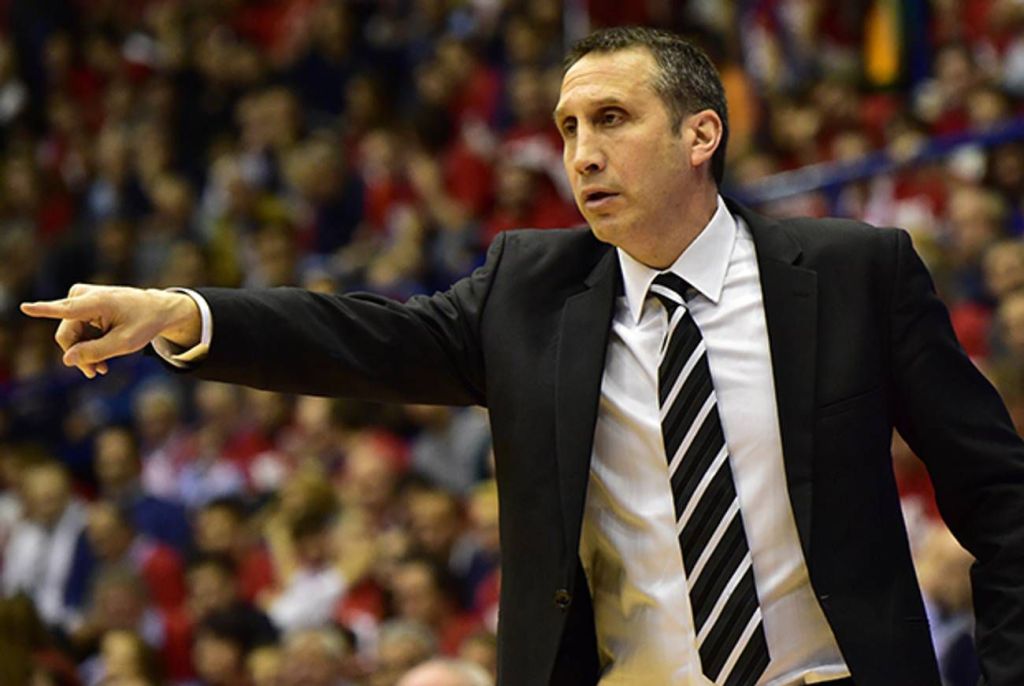
One day, while I was working out individually in the gym, Maccabi Tel Aviv’s coach David Blatt walked in. I think we were going to play them. I was practicing at that time; I forgot who the coach was that trained me at Fenerbahçe back then, but when David Blatt watched my practice, he came up to us and said, “Please, I hope I don’t have to play against you.” Because he saw that edge and determination in me, you know what I mean? The person in front of me was the coach of Maccabi, one of the greatest coaches in European basketball, and he is a very good friend of mine with whom I have always stayed in touch and we always show great respect to each other when we meet. When he watched me that day, he said, “Wow, you are really a problem.”
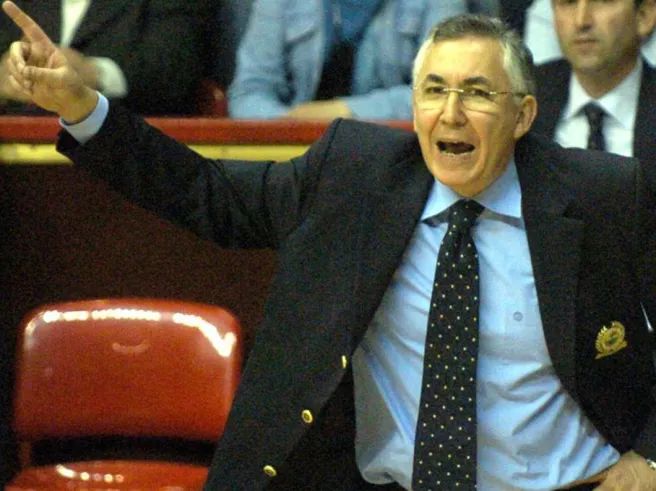
The team was led by Coach Aydın Örs, an absolute legend of Turkish basketball. What was it like playing under his management? He was known for his toughness and uncompromising discipline; what did playing as a big man in his system add to your game?
Being coached by Aydın Örs was definitely working with a legend. He was a very strict and disciplined coach, but he told us everything exactly as it was, directly. I am also a very direct person. I don’t like beating around the bush; I just want people to be honest with me. And he was always like that with me. I think this honesty and approach allowed me to turn into a much tougher player in European basketball, on the European stage, and guided my career in this direction.
The leader of that team and the fan favorite was Damir Mršić. You shared the court with very important names during your time in Istanbul. Who was your favorite teammate to play with? What can you say about Damir Mršić’s leadership on the court and his character off the court?
Damir Mršić is my man! He was a very smart player. I totally understand why he later became the general manager of Fenerbahçe; he was definitely one of the top guys. Damir was absolutely a true leader; yes, absolutely a complete leader. I could see very clearly from there why he rose to the general manager role at Fenerbahçe. We also had Semih Erden on the team, who was playing for the National Team at that time. He was a bit younger back then, but he was a very good and very efficient player. When I saw the hunger and talent in some of the young players back then, I knew they could even go to the NBA in the future (which Semih did), but the other names preferred to stay in Turkey after a while.
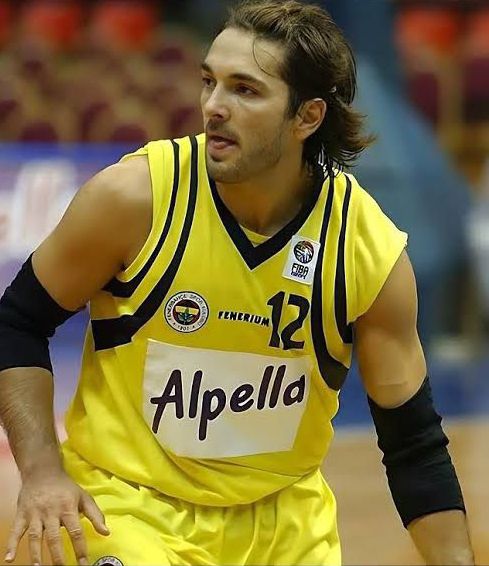
That season, Fenerbahçe advanced to the Turkish Basketball League playoff semifinals for the first time since 1998-99. Despite playing only 10 games (3 regular season, 7 playoffs), you recorded great statistics with 12.5 points and 7.1 rebounds. Looking back, what is the single game you played in the yellow-navy jersey that you can never forget?
I think every single game I played in the Fenerbahçe jersey was unforgettable for me because I knew the history of the club. I loved the fans, the people of Turkey, and Istanbul. I especially loved that fierce rivalry between Galatasaray and Fenerbahçe. In fact, let me tell you a story: Right around the corner from where I live in America right now, there is a Turkish guy who owns a pizza shop, and he is a die-hard Galatasaray fan. When I told him that I used to play for Fenerbahçe back in the day, he opened his eyes wide and said, “Oh man, then you must be a really, really good player!” That greatness of the rivalry is one of the most unforgettable things for me.
Istanbul is a fascinating and vibrant city. What was your most interesting, surprising, or funny off-court memory during the period you lived in Istanbul?
There were no stop signs in the city! No stop signs at all. I remember driving around the city in Istanbul; this lady came and hit my car with hers. Then she started acting, putting on a show as if I was the one who hit her. At that moment, my man Cenk (Renda) literally appeared out of nowhere. I had called him right away and said, “Hey, a lady hit me, but she’s saying I did it, claiming this and that.” Cenk Renda came to the scene and told me, “Corsley, you get in a taxi right now and go home.” He got me out of there and sent me home. The lady had literally come and hit me with her car. That was probably my most interesting and unforgettable experience off the court. It was actually a bit funny because I knew the situation was completely about trying to get money. It was very obvious that the woman needed money because until Cenk arrived, all she kept doing was asking me for money. So it was all about the money, man.
At that time, you were playing your home games at the famous Abdi İpekçi Sports Hall. From your own perspective, how would you describe the Fenerbahçe fans and the atmosphere in the stands? What did it feel like to know that that incredible, passionate crowd always had your back?
Playing at Abdi İpekçi was one of the best experiences I had in Europe. The fans were incredibly loving towards us in particular. I really felt sorry for the teams that came to that hall for away games because our fans were yellow and blue Fenerbahçe fans to the core, until the end. Oh my God. They would literally give foreign players nightmares; they would give them a very hard time. Some players I played against and knew would come up to me and say, “Man, your fans are probably the craziest, most insane crowd in all of Istanbul.” I loved the fans at Abdi İpekçi. I loved the way we entered through that back door into the hall, the way we got off the bus; because at that time we were living on the Asian side, and crossing over to the hall and walking inside was a great feeling. Knowing that the fans had our back was one of the biggest things; whether we lost or won, that magnificent crowd was always behind us.
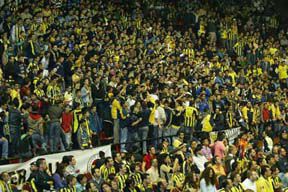
Despite your relatively short stint at Fenerbahçe, how was your bond with the fans?
Wherever I went, I showed love to people. I mingled with the public, I became a part of the community. I went to restaurants, I went to clothing stores. I just walked around the neighborhood, around the area, and showed them what a good person I am. I signed autographs, I took photos. In fact, I wish I could find some of the fans I took photos with back then so they could send those photos to me. They can message me on Instagram at my account @corsley379, so we can share those photos and get them to each other. That is one of the things I wish I had done more of back then taking more photos. And of course, I wish social media was as widespread back then as it is today.
What does the Fenerbahçe basketball organization mean to you? What do you think are the unique characteristics that set this club apart from other sports organizations in the world?
For me, Fenerbahçe means the place where I reached the highest level of European basketball at that time. Even people in America knew very well how big of a club Fenerbahçe was. For me, being able to play for Fenerbahçe was a huge blessing, a privilege. It was a matter of pride to be trained by one of the best coaches in Europe at that time and to share this experience with my family and friends back home, telling them how serious, how tremendous an organization Fenerbahçe is.
After a short Spanish adventure, you returned to Turkey in the 2006/07 season to play for Banvit. What were the main differences between playing in a smaller city like Bandırma compared to a metropolis like Istanbul? How did you view the quality of the Turkish League at that time?
Returning to Turkey for Banvit after my short Spanish adventure was a bit of an emotional decision for me. I was playing in the G-League at that time and had just returned from some health issues, an illness; I had suffered a Pulmonary Embolism. While playing in the G-League, they had promised me that I would get called up (to the NBA), but I was a bit overweight. So I came to Bandırma, and that place was really, really tough; it was literally a chicken town! Still, playing there with players like Art Long and Marquis Perry was a very nice experience. Of course, it was very far from Istanbul; I remember very well that we had to take that 2-hour ferry ride every single time. Still, it was great. I think the whole of Turkey, from Istanbul to the Asian side, is a huge experience. Later, when I played for İTÜ, I would get on the metro to go home after practice. Playing for Banvit made a huge difference because everyone in Bandırma knew exactly who I was, everyone recognized me. And of course, everyone knew about that chicken thing too! That was one of the endless jokes we made among ourselves throughout the year about constantly eating chicken.
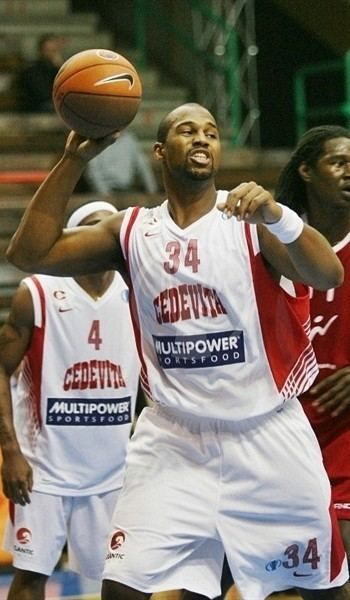
Later in your career, you played in very different basketball cultures such as China, Egypt, and Croatia (the period when you reached the Eurocup Final Four with KK Cedevita). What did these global experiences teach you both as a person and as an athlete?
These global experiences taught me to be resilient, to fight through adversity. It taught me not to expect anything from anyone, to just do the job I need to do, and that the rest will naturally follow. As an athlete, it taught me that just like within a game, every situation you encounter in life will not be the same and you always need to adjust. It showed me that I always need to be unstoppable on the court, to keep working, and to do whatever it takes to be one of the best players on the hardwood at that moment. As a person, it gave me a tremendous cultural vision; it allowed me to see different cultures, adapt to them, and learn. I didn’t hold myself back by saying “I’m an American,” and I can say that I learned so much more by playing overseas. It taught me very well how to exist within different cultures and how to explain and express myself in different areas of life.
Since the period you played here, Fenerbahçe basketball turned into a global brand, even winning a EuroLeague championship. How do you evaluate this incredible rise and general performance of Fenerbahçe over the last 20 years? As a former player of the club, how do you see the team’s current status and energy?
Even on the very first day I stepped foot there, I could immediately understand how massive of a global brand this club wanted to turn into. When they transferred me, and when I was inside the organization and saw how professionally they managed things, what they did, Fenerbahçe winning a Euroleague championship one day was already destined. Even being able to say this makes me incredibly proud. Because today when I go out in America and people ask me, “Hey, you used to play basketball, where did you play?”, one of the biggest countries and most famous teams I can mention outside of the NBA is Fenerbahçe. Hearing this, they say, “Wow man, then you must have been a really, really good player.” That’s why I feel great gratitude for having been a part of the Fenerbahçe brand, this massive global brand.
The team’s energy today is highly positive, and their success is heard all over the world. Thank you for that. I think while the team is at the point where it is today, it should look back and give credit, offer something to the players who laid the foundation of this team, who built that foundation. I guess we are doing exactly that right now with this interview stretching from America to the fans in Turkey, the Fenerbahçe fans. I would love to stay in touch; in fact, it would be even more awesome if they sent me some Turkish words or some Fenerbahçe gear and clothes.
Looking back at your entire career journey and all the wisdom you’ve gained; if today’s Corsley Edwards were coaching and training his own younger self, what would he tell “Young Corsley” to add to his game or to change? What kind of a player would “Coach Corsley” want to see on the court?
I would tell myself to meet more people, learn about more people, and listen to more people regarding the technical side of basketball. I would urge him to apply these things he learned to his game, to always work hard, to always be there right on time, and to always be efficient. That’s what I would tell my younger self. But still, I did everything I wanted to do in life, you know what I mean; the game of basketball don’t owe me nothing. Having played for a team like Fenerbahçe was like turning into a global brand myself as an individual player; a team like Fenerbahçe coming and choosing me, bringing me into its structure was tremendous. As for the player I would want to see on the court; I would want to see a much more dominant, relentless player, who goes after every rebound like a Dennis Rodman, and turns every shot into a basket when the ball comes to his hands a true finisher. Those were the things I would tell myself.
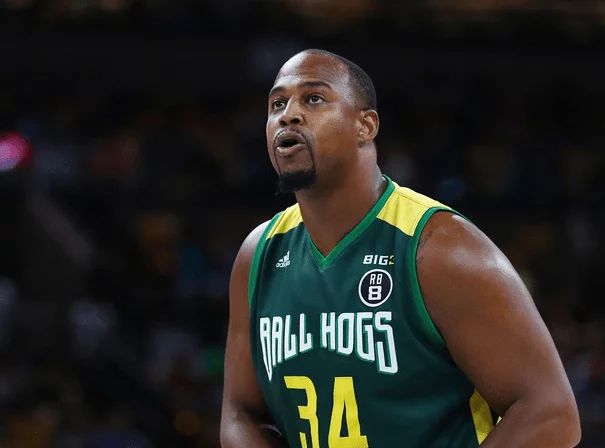
How has life been going for you since you retired from professional basketball? What does this current period of your life look like, and what are you up to these days? Has your connection with basketball continued?
Since I left professional basketball, there have been ups and downs in my life, of course, but right now I am a financial professional. Besides that, I am founding a 3×3 basketball league; I am trying to set up a FIBA-sanctioned structure for youth, and at the same time, I am in preparations to establish a 3×3 team for the Olympics here in Baltimore. So I am still completely inside and around basketball. My son is also learning basketball more and more every day, trying to follow in my footsteps. I’m just living, you know what I mean; living well, living happy, living stress-free, leading a life exactly the way I should be living. I would never want to change my life or want anything other than the life I live today.
Finally, what is your special message to the Fenerbahçe fans who will read this interview and who still keep a very special place for you in their hearts?
My special message is clear: “Go Fenerbahçe!” For my fans who will read this interview and still keep a special place for me in their hearts, I would like to say this: I am a Fenerbahçe fan to the core, and I will always support Fenerbahçe. Because the only European team that never did me wrong in Europe, that never left me aggrieved, was Fenerbahçe. They were always very efficient and extremely professional. That’s why I hold a great love for that country; I feel a great love for all the Fenerbahçe fans who support me and who still reach out to me on Facebook and Instagram; from here, I send a huge shout-out to everyone who reaches out to me via Facebook and Instagram. This is truly one of the beautiful things. Go Fenerbahçe! It’s all love, guys.
Thank you so much again for reaching out to me for this interview and this article, man, I can’t wait to see and read it. I look forward to fans reaching out to me on Instagram at my account @corsley379 and on Facebook, sharing those old memories with me. That way I can share these memories with my son too, and he can see them. Because when I was playing for Fenerbahçe, he wasn’t born yet, but he was there completely in heart and soul, man. Just like how I am not physically at Fenerbahçe or around it right now, but my heart and soul are always there, by your side… My heart and soul are with you, Go Fenerbahçe.

